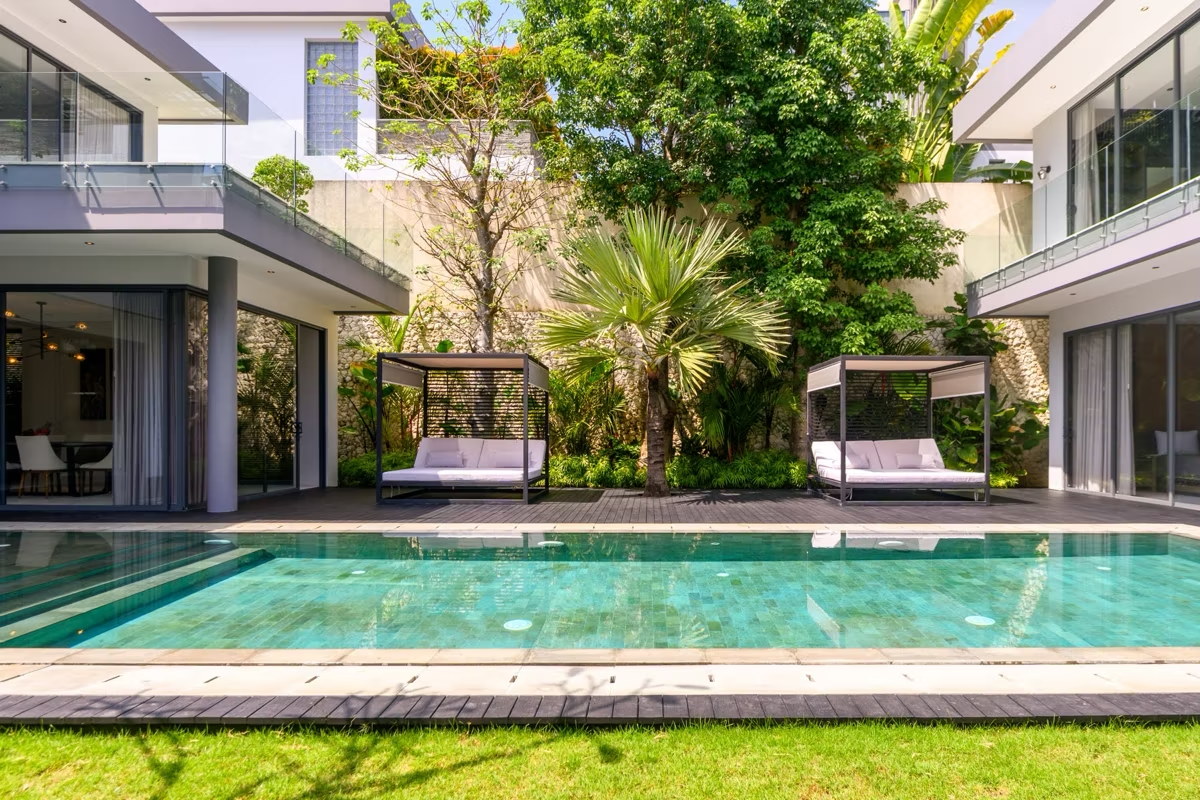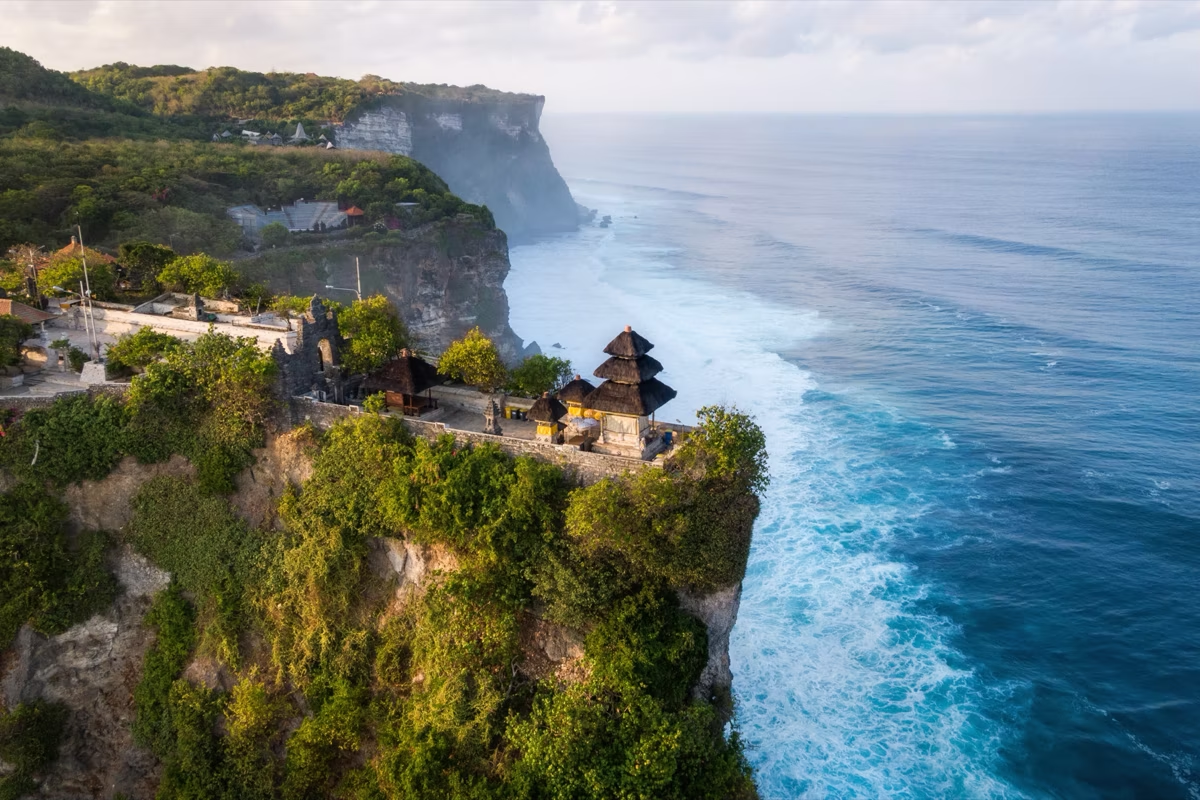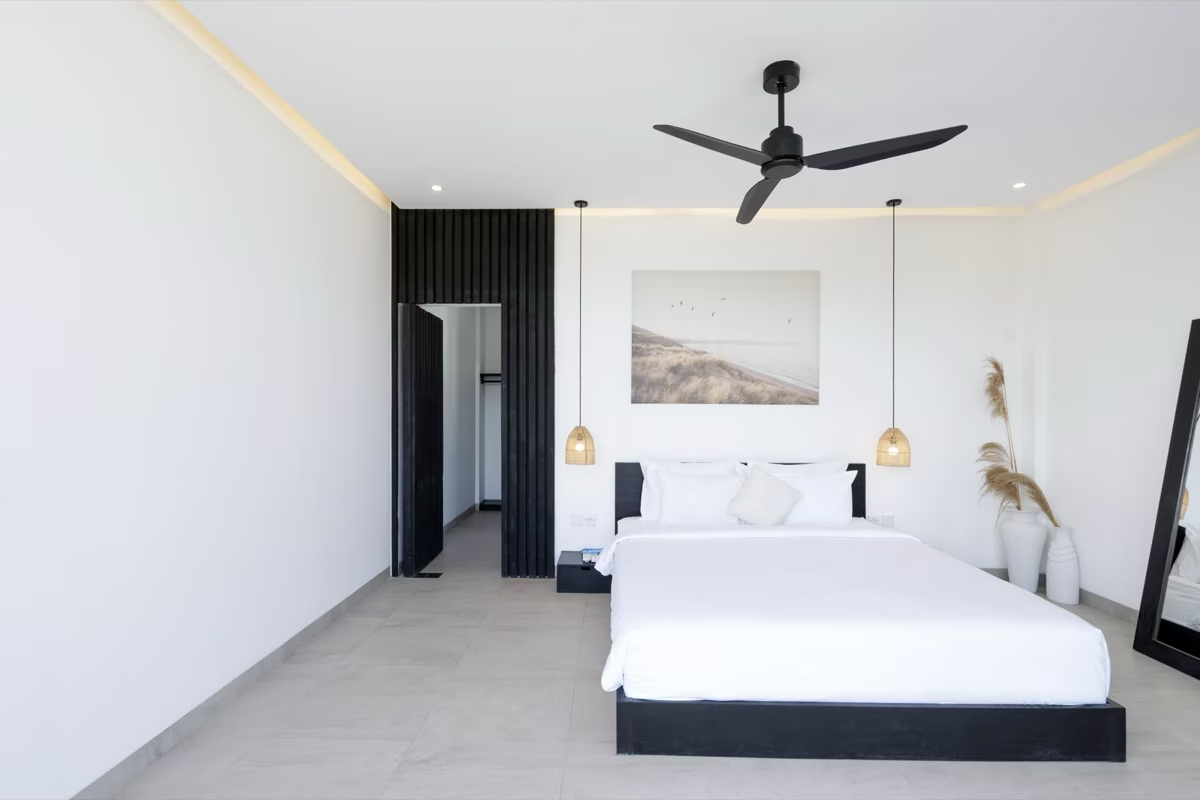
Buying a villa in Bali is more achievable than most foreigners assume, but the part that trips people up isn't the money. It's the structure. Get the ownership right and the rest is logistics. Get it wrong and you can pay for something you don't actually control.
This is a practical walk-through for a foreign buyer looking at Uluwatu and the wider Bukit in 2026. We build, sell, and manage villas here, so the numbers and steps below come from real transactions, not theory.
Step 1: Understand what you can actually own
Indonesia doesn't allow foreigners to own land outright. So the first decision is which legal structure fits what you're trying to do. There are four worth knowing.
- Leasehold (Hak Sewa) is the common route. You hold it directly with your passport on a tourist visa, no company needed. Terms typically run 25 to 30 years, and the land reverts to the owner at expiry unless you've negotiated an extension. Simple, fast, and how most villa purchases here get done.
- Freehold (Hak Milik) is full ownership, and it's for Indonesian citizens only. Worth knowing it exists, mostly so you can rule it out.
- Hak Pakai (right to use) is a foreigner-friendly option for a home you'll actually live in. It runs around 30 years plus extensions, but it needs an existing building, so it's for buying a finished house, not bare land.
- Hak Guna Bangunan (HGB, right to build) puts a company's name on the land title. You hold it through a PT PMA, a foreign-owned Indonesian company. This is the development route, used when you're building to sell or run a villa as a business.
If you want a holiday home or a rental you don't plan to develop, leasehold usually does the job. If you're building or running a villa operation, HGB through a PT PMA is the path. A good adviser will tell you which one you need in the first conversation.
Step 2: Follow a sensible buying sequence
A clean purchase moves through six stages, in order:
- Consultation and budget, so you know what you can spend and which structure suits you.
- Property selection.
- Due diligence on the specific property.
- Escrow, so funds sit safely until conditions are met.
- Notary signing, where a licensed notary (PPAT) formalises the deal.
- Handover.
Skipping or rushing the middle steps is where buyers get hurt. The notary signing should feel like a formality because the real work happened in due diligence.
Step 3: Do the due diligence properly
This is the part that protects you. Before any money moves, confirm:
- The seller actually has the right to sell.
- There are no liens or debts attached to the title.
- There's no land-dispute litigation hanging over the property.
- Zoning permits what you intend to do, whether that's living, renting, or building.
- The land size matches the certificate.
- There's legal road access.
- For bare land, a buildability check confirms you can put what you want on it.
Every one of these has caught out a buyer somewhere on the Bukit. At Yolla our in-house legal counsel run this checklist and draft the contracts on every transaction, so it isn't outsourced to someone you'll never meet again.
Step 4: Budget for the costs around the price
The sticker price isn't the full number. Plan for roughly 10 to 15% on top for notary fees, taxes, legal work, and setup. If you're buying through a PT PMA, the company setup sits inside that figure.
Build it into your budget from the start so it doesn't feel like a surprise at signing.
Step 5: Decide between finished and off-plan
A finished villa you can walk through, value, and move into. An off-plan villa is bought before or during construction, usually at a better entry price, and it typically hands over 12 to 18 months after reservation.
Off-plan asks for patience and trust in the developer, so look at what they've already delivered before committing. A finished build asks for a higher price and less waiting.
What the numbers look like
For a well-run villa on the Bukit, the realistic picture sits around 10 to 13% net annual return, after operating costs, with occupancy near 85%. That range is net, not gross, and it assumes the villa is actually managed well. Anyone quoting you something far higher is showing you gross figures or a fantasy.
That's the honest version. Bali is one of the better places in the world to own a villa right now, and the buyers who do well are the ones who treat the structure and the due diligence as the real work, and the pretty photos as the easy part.
If you want the short version: pick the right ownership structure, do the due diligence properly, budget for the costs around the price, and work with people who handle the legal side in-house. That's most of it.
Quick answers
Can foreigners own a villa in Bali?
Not as freehold, which is reserved for Indonesian citizens. Foreign buyers use leasehold (typically 25 to 30 years, held directly on a passport), Hak Pakai for a finished home you will live in, or HGB through a PT PMA company when building or running a villa as a business.
Which ownership structure fits a holiday home or rental?
Leasehold usually does the job for a holiday home or a rental you do not plan to develop. If you are building to sell or operating villas as a business, HGB through a foreign-owned PT PMA is the path.
What trips up most foreign buyers?
Not the money, the structure. Getting the ownership structure right makes the rest logistics; getting it wrong can mean paying for something you do not actually control.
Thinking about a villa in Uluwatu?
Talk to the team that builds, sells, and manages on the Bukit. Real numbers, in-house legal, no pressure.